The Small Business Guide to Lead Generation Automation
Written by
Go Rogue Ops Team
The Lead Gen Trap: More Leads, More Chaos
Most small businesses think they have a lead generation problem. They spend thousands on ads, SEO, and outreach, trying to fill the funnel. But when the leads actually arrive, the real problem reveals itself: they have a lead management disaster.
Leads sit in inboxes for three days. Reps forget to follow up. Qualification is inconsistent. Data is scattered across spreadsheets, email threads, and sticky notes. By the time someone actually reaches out, the lead is cold, frustrated, and already talking to a competitor.
The solution? Automation. But not the kind that sends generic, robotic emails. We're talking about automation that preserves the "human touch" while eliminating the manual friction that kills conversions.
Here is the Go Rogue Ops guide to automating lead generation for small businesses—without losing your soul (or your leads) in the process.
The 3 Pillars of Lead Gen Automation
Lead generation automation isn't just about sending emails. It's about building a system that handles three specific stages perfectly:
Pillar 1: Capture and Centralization
A lead is a liability until it's in your CRM. If your leads are living in email notifications, you're losing money. The moment a form is filled, a calendar is booked, or a message is sent, that data must be automatically centralized.
The Goal: Zero manual data entry. Every lead source (website, LinkedIn, ads) flows into a single source of truth.
Pillar 2: Qualification and Enrichment
Not all leads are created equal. Spending human time on unqualified leads is one of the biggest wastes in any business. Automation should do the initial vetting for you.
The Goal: Automatically separate the "just looking" from the "ready to buy." Enrichment tools (like Clay or Apollo) can add company size, industry, and revenue data before a human ever looks at the lead.
Pillar 3: The "Golden Hour" Follow-Up
Studies show that following up with a lead within 5 minutes increases the chance of conversion by 900%. If you wait an hour, your chances drop significantly. If you wait a day, you're essentially throwing money away.
The Goal: Instant, personalized response. Not "We'll get back to you," but "I saw you're interested in [Service]. Here's a link to book a time that works for you."
How to Automate Lead Gen (The Lean Way)
Don't just plug in Zapier and hope for the best. Follow this sequence to build a lead gen machine that actually works:
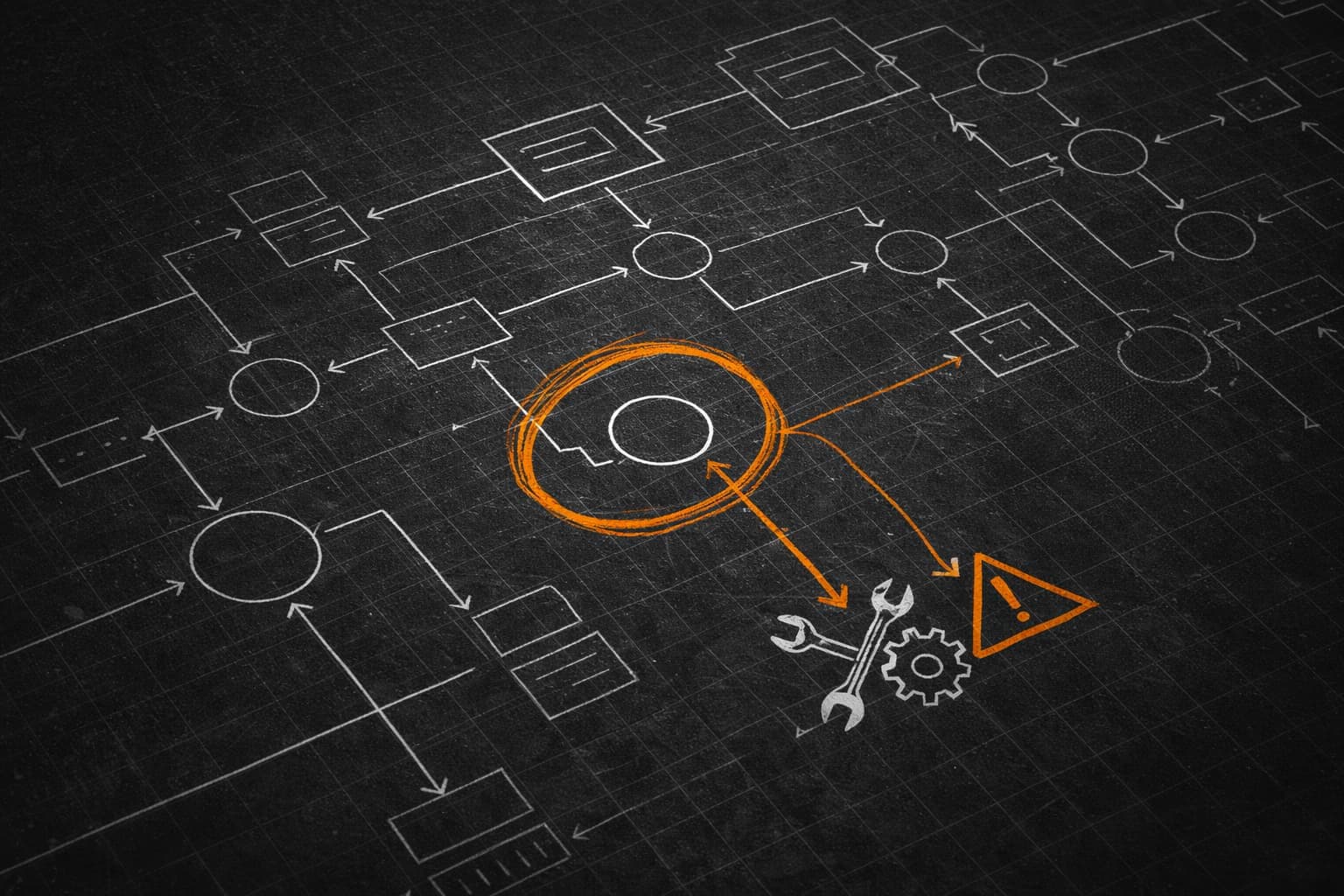
Step 1: Map the "Speed to Lead" Workflow
Before you automate, you need to know exactly what should happen when a lead arrives. Map out every step:
- Lead fills form
- Data sent to CRM
- Notification sent to sales team
- Qualification email sent to lead
- Meeting booked
- Follow-up sequence started
If you can't map it manually, you can't automate it.
Step 2: Automate the Triage
Use AI or simple logic to qualify leads instantly. If you ask 3-5 key questions on your form (Budget? Timeline? Problem?), you can use automation to route the "High Intent" leads to your top closer and send the "Low Intent" leads to an educational email sequence.
This is where most businesses save 10-15 hours a week: they stop chasing people who were never going to buy.
Step 3: Implement Personalization at Scale
Personalization doesn't mean typing every email manually. It means using data tags. Instead of "Hi there," use "Hi [FirstName], noticed you're at [Company] and looking for help with [Service]."
Modern tools allow you to use AI to write the first line of an outreach email based on their LinkedIn profile or website. It sounds human because it's based on human data—but it's sent automatically.
Step 4: The Automated Nurture (The "Infinite Follow-Up")
Most sales happen after the 5th to 7th touchpoint. Most small business owners stop after the 2nd. Automation handles the "long game" for you. If they don't book today, they get a helpful article in 3 days, a case study in 10 days, and a check-in in 30 days.
You stay top of mind without ever having to remember to send the email.
The Tools You Actually Need
You don't need a $2,000/month Enterprise stack. For most SMBs, this is the "Golden Stack":
- CRM: HubSpot (Free/Starter) or Pipedrive. (Don't use spreadsheets.)
- Automation Engine: Zapier or Make.com to connect the dots.
- Scheduling: Calendly or TidyCal. Let them book themselves.
- Enrichment: Clay or Apollo for finding data without manual research.
- Email: Instantly.ai or Smartlead for cold outreach at scale.
The "Human-in-the-Loop" Rule
Here is where most agencies fail: they try to automate the WHOLE sale. This is a mistake. Automation should handle the friction; humans should handle the relationship.
Automate: Data entry, initial follow-up, scheduling, basic qualification, status updates.
Human: The discovery call, final negotiation, solving complex problems, building trust.
If your automation feels like a robot, you've gone too far. If your team is doing data entry, you haven't gone far enough.
Next Steps: Audit Your Funnel
Check these three things today:
- How long does it take you to respond to a website lead? (If it's >15 mins, you're losing money.)
- Where do your leads "live"? (If it's in your inbox, you have a knowledge leak.)
- How many times do you follow up before giving up? (If it's <5, your funnel is leaking.)
Ready to fix your lead generation leak? Book a free 45-minute lean audit. we'll map your lead flow, identify the manual friction killing your conversion, and show you exactly what to automate first.
Stop chasing leads. Start managing them.
Share this article
Ready for automation that lasts?
Book your free 45-minute discovery call. We'll discuss your operations, identify waste using lean principles, and recommend which path (if any) makes sense for you.
Book Your Free Discovery Call